
Ultimate Guide to the Cannondale Bike: History, Models, Features, and More
In the world of cycling, few brands have made as significant an impact as Cannondale. Whether you’re a seasoned rider tackling rugged trails or a commuter navigating city streets, a Cannondale bike offers reliability, innovation, and performance that stands out. This comprehensive guide dives deep into everything you need to know about the Cannondale bike, from its rich history to the latest models and tips for choosing the right one for your needs. If you’re considering investing in a Cannondale bike, read on to discover why this brand continues to be a favorite among cyclists worldwide.
The Fascinating History of the Cannondale Bike
The story of the Cannondale bike begins in 1971, when the company was founded by Joe Montgomery and Murdock MacGregor in Wilton, Connecticut. Initially, Cannondale wasn’t even focused on bicycles; it started as a manufacturer of precast concrete housing. However, the company quickly pivoted to outdoor gear, producing bicycle trailers and lightweight bags after a successful debut at the New York Bicycle Show. This early success led to Cannondale becoming the world’s largest producer of lightweight bicycle bags within months.
By the early 1980s, Cannondale transitioned into bicycle manufacturing, pioneering aluminum frames with advanced welding techniques developed by engineer Todd Patterson. The brand’s first mountain bike, the SM-500, was released in 1984, featuring innovative elements like TIG-welded 6061 alloy and mixed wheel sizes. Throughout the 1990s, Cannondale introduced groundbreaking technologies, such as the Headshok suspension fork in 1992 and the Super V full-suspension bike in 1993, which helped riders like Missy Giove win the 1994 downhill world championship.
The company went public in 1995 with a $22 million IPO, but faced challenges, including a bankruptcy filing in 2003 due to losses in its motorsports division. Acquired by Pegasus Capital Advisors and later by Dorel Industries in 2008 for about $200 million, Cannondale refocused on bicycles. Production shifted to Taiwan in 2009, and in 2022, it became part of Pon Holdings. Today, Cannondale is renowned for its aluminum and carbon fiber frames, sponsoring top teams and athletes, including wins in the Giro d’Italia and Ironman championships.
This evolution has cemented the Cannondale bike as a symbol of innovation, with milestones like the BB30 bottom bracket standard in 2001, which improved stiffness and reduced weight. From humble beginnings to global dominance, the Cannondale bike’s history is one of adaptation and excellence.
Exploring the Different Types of Cannondale Bikes
Cannondale offers a diverse lineup to suit every rider’s style. Whether you’re into speed on pavement or adventure off-road, there’s a Cannondale bike designed for you. Let’s break down the main categories.
Road Bikes: Built for Speed and Endurance
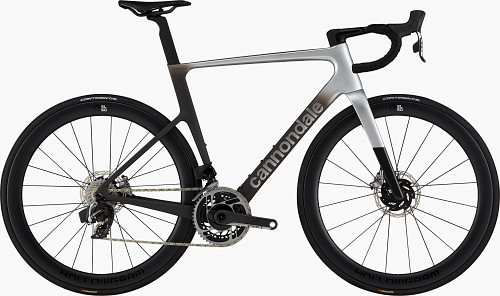
Road biking enthusiasts often turn to a Cannondale bike for its lightweight design and aerodynamic efficiency. Models like the SuperSix EVO are paragons of performance, featuring carbon fiber frames that balance stiffness, compliance, and low weight. The Synapse series, on the other hand, emphasizes endurance with a more relaxed geometry, making it ideal for long rides. Cannondale road bikes come in carbon and aluminum options, with features like integrated cable routing and disc brakes for superior control.
For entry-level riders, the CAAD Optimo provides an affordable yet high-quality aluminum frame that’s responsive and durable. These bikes have powered professionals to victories, including stage wins in the Tour de France. If speed and smooth pavement are your goals, a Cannondale bike in the road category won’t disappoint.
Mountain Bikes: Conquering Trails with Confidence
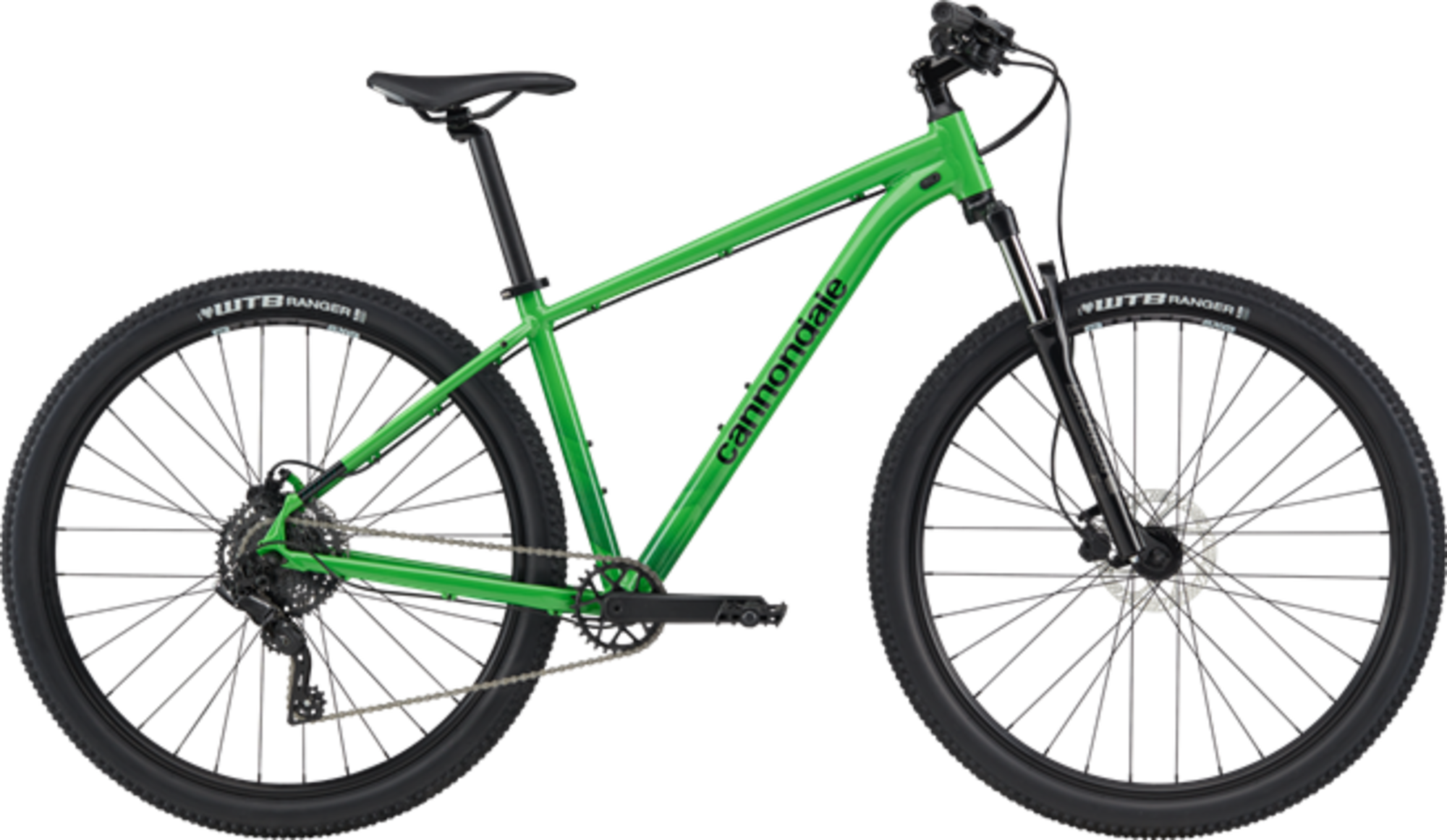
When it comes to off-road adventures, the Cannondale bike shines in the mountain category. The Scalpel series is a cross-country favorite, with full-suspension designs offering up to 100mm of travel and flexible carbon chainstays for better traction. For trail riding, the Habit provides balanced geometry and progressive suspension, making it versatile for climbs and descents.
Entry-level options like the Trail series feature hardtail frames with reliable components, ideal for beginners exploring local paths. Cannondale’s mountain bikes have a storied past, with models like the Super V earning world championships in the 1990s. Innovations such as the Lefty fork—a single-sided suspension system—set these bikes apart for their efficiency and reduced weight.
Riders praise the durability and handling, with reviews noting that Cannondale mountain bikes perform comparably to top brands without common issues. Whether you’re hitting technical singletracks or flowy trails, a Cannondale bike delivers the thrill.
Gravel Bikes: Versatility for Mixed Terrain
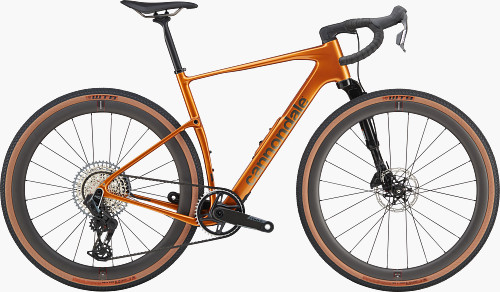
Gravel biking has exploded in popularity, and Cannondale leads with bikes that handle pavement, dirt, and everything in between. The Topstone series is a standout, offering carbon and alloy frames with ample tire clearance (up to 45mm) and integrated storage for long adventures. Models like the Topstone Carbon Lefty feature a single-sided suspension fork for smoother rides on rough gravel.
These bikes incorporate Kingpin rear suspension in higher-end versions, providing compliance without added weight. Riders love the Topstone for its comfort on extended tours, with features like dropper post compatibility enhancing control on descents.
Cannondale gravel bikes have been used in epic rides, such as Lachlan Morton’s record-breaking efforts. If your rides mix roads and trails, a Cannondale bike in gravel form offers unmatched versatility.
Electric Bikes: Power-Assisted Fun for All
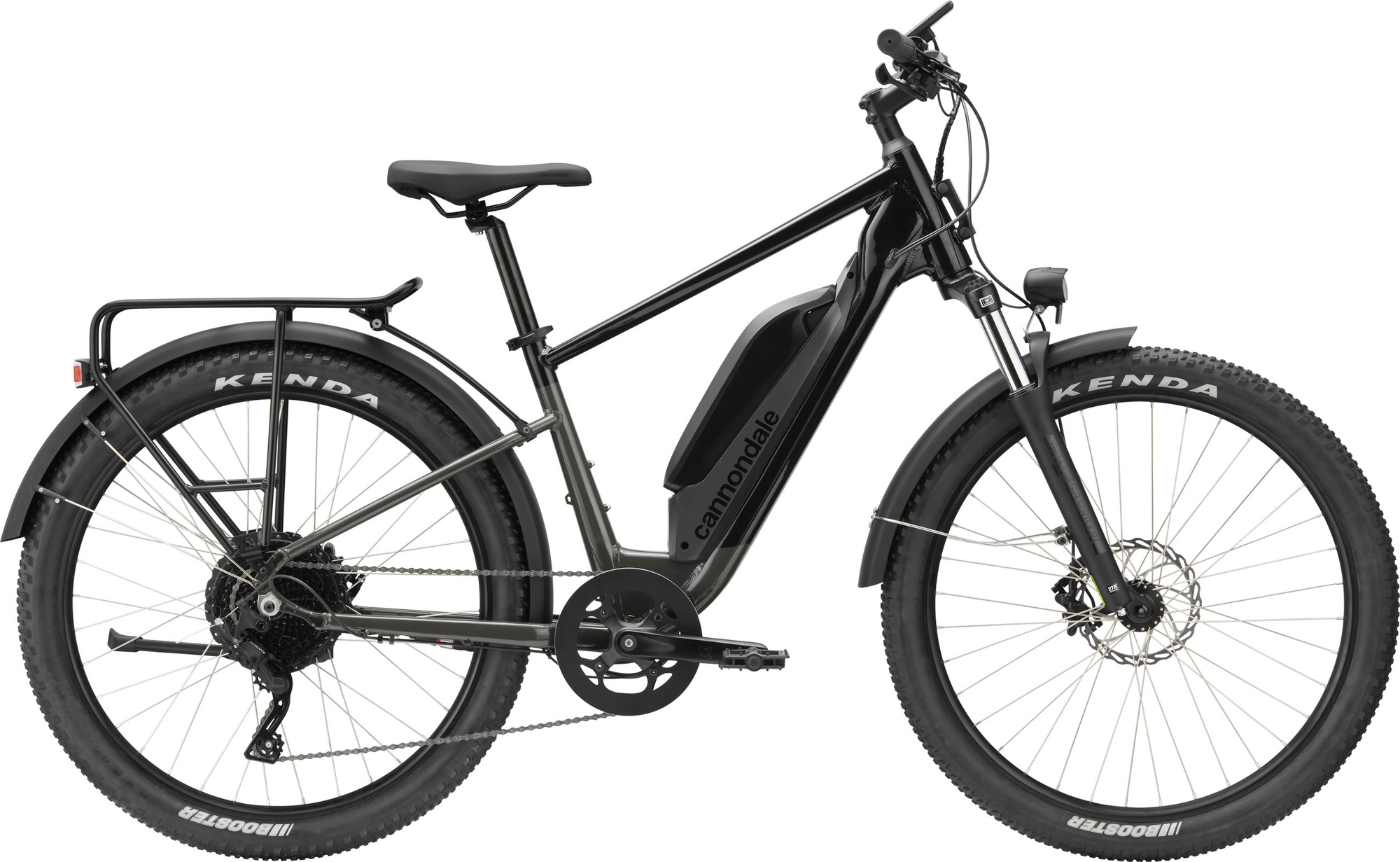
For those seeking an extra boost, Cannondale’s electric bikes integrate seamless pedal-assist technology. The Adventure Neo series features Bosch or Bafang motors with long-range batteries, making hills and commutes effortless. These e-bikes use Toshiba SCiB lithium-ion batteries for reliability and quick charging.
Models like the Mavaro Neo emphasize urban commuting with fenders, racks, and lights, while the Tesoro Neo X caters to off-road exploration. Innovations include Enviolo auto-shifting, eliminating the need for manual gear changes. Electric Cannondale bikes are perfect for fitness enthusiasts or those returning to cycling, offering adjustable assistance levels.
Reviews highlight their build quality and integration, making them a top choice for eco-friendly transport.
Key Features and Innovations in Every Cannondale Bike
What sets a Cannondale bike apart? Innovation is at the core. The brand pioneered oversized aluminum tubes for better stiffness-to-weight ratios in the 1980s. Carbon fiber integration followed, with models like the Raven in 1997 blending materials for optimal performance.
Modern features include the Cannondale App for tracking rides, maintenance reminders, and connectivity with sensors. Hollowgram cranks and wheels reduce weight while enhancing power transfer. Safety innovations like MIPS-equipped helmets and integrated lights add value.
Cannondale’s commitment to sustainability shines through in efficient manufacturing and durable designs that last. These elements ensure every Cannondale bike delivers a premium riding experience.
Popular Cannondale Bike Models to Consider
Among the lineup, several models stand out. The SuperSix EVO is a road racing icon, with its latest iteration focusing on aerodynamics and lightness. For mountain biking, the Jekyll offers adjustable geometry for enduro enthusiasts.
The Quick series is great for fitness and hybrids, blending speed with comfort. Bad Boy urban bikes feature sleek designs for city navigation. Each model reflects Cannondale’s ethos of quality and innovation.
How to Choose and Buy Your Ideal Cannondale Bike
Selecting a Cannondale bike starts with assessing your riding style—road, mountain, gravel, or electric? Budget matters; entry-level models start around $500, while high-end carbon bikes exceed $5,000.
Fit is crucial: Visit a dealer for sizing, as Cannondale offers various frame geometries. Consider components like Shimano or SRAM groupsets for shifting reliability.
Online retailers like BikeExchange or the official Cannondale site provide options, with warranties ensuring peace of mind. Test rides are recommended to feel the bike’s handling.
Maintenance Tips for Your Cannondale Bike
To keep your Cannondale bike performing optimally, regular maintenance is key. Clean the frame and drivetrain after rides, especially in wet conditions. Lubricate the chain every 100-200 miles and check tire pressure weekly.
Inspect brakes and cables for wear, and use the Cannondale App for service alerts. For suspension models, service forks and shocks annually. Store indoors to prevent rust.
Following these tips extends the life of your Cannondale bike, ensuring countless enjoyable miles.
Why a Cannondale Bike Could Be Your Next Ride
From its innovative roots to today’s cutting-edge models, the Cannondale bike represents the pinnacle of cycling technology and design. Whether exploring new trails or commuting efficiently, this brand offers something for everyone. With a focus on performance, durability, and rider satisfaction, investing in a Cannondale bike means joining a legacy of excellence. Ready to pedal? Head to your local dealer or online to find your perfect match.