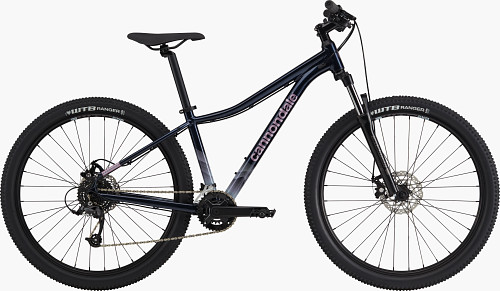
Cannondale Trail 8: Your Gateway to Thrilling Mountain Bike Adventures
Are you ready to dive into the world of mountain biking without breaking the bank? The Cannondale Trail 8 stands out as an excellent choice for beginners and casual riders looking for a reliable hardtail bike that delivers performance on dirt paths, light trails, and even some urban exploration. In this comprehensive review, we’ll explore everything you need to know about the Cannondale Trail 8, from its build quality and key features to real-world performance and value for money. Whether you’re new to off-road cycling or upgrading from an older model, this bike could be the perfect fit to ignite your passion for the outdoors.
Mountain biking has surged in popularity over the last few years, with more people seeking ways to connect with nature while getting a solid workout. The Cannondale Trail 8, part of Cannondale’s renowned Trail series, is designed specifically for entry-level riders who want a bike that’s durable, easy to handle, and fun to ride. With its affordable price point, it’s accessible to a wide audience, making it a top pick for those just starting out.
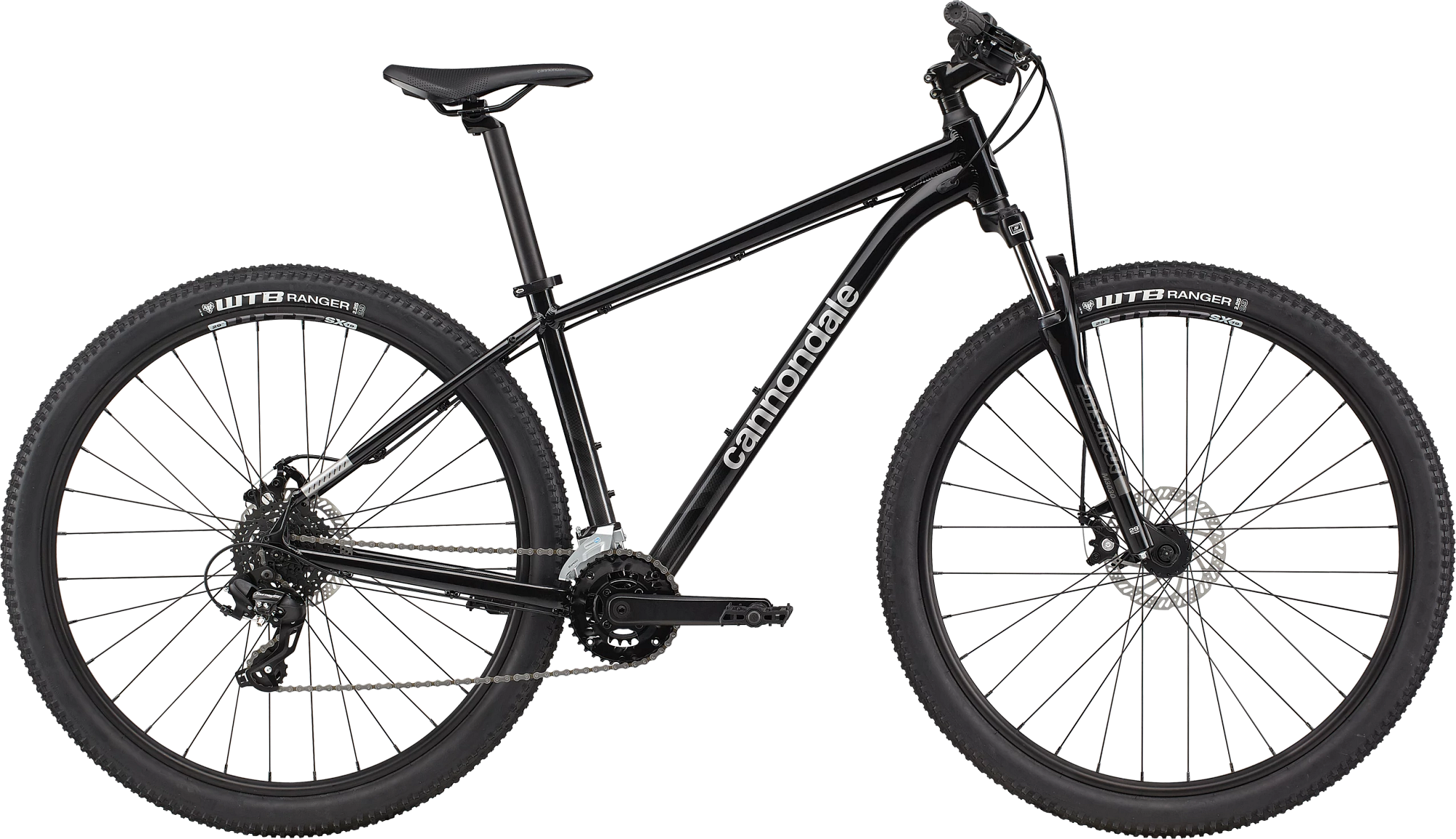
Understanding the Cannondale Trail 8: A Hardtail Mountain Bike Overview
At its core, the Cannondale Trail 8 is a hardtail mountain bike, meaning it features front suspension but no rear shock. This design keeps things simple, lightweight, and low-maintenance, which is ideal for beginners who might not want the complexity of a full-suspension setup. Cannondale, a brand with decades of experience in crafting high-quality bicycles, has engineered the Trail 8 to balance affordability with capability.
The frame is made from SmartForm C3 Alloy, a lightweight yet durable aluminum material that’s Cannondale’s signature for entry-level bikes. This alloy provides excellent strength without adding unnecessary weight, ensuring the bike feels nimble on climbs and stable on descents. The geometry includes a slack 68-degree head angle, which enhances stability when tackling steeper terrain. For wheel sizes, the Cannondale Trail 8 comes with right-sized wheels: smaller frames get 27.5-inch wheels for better maneuverability, while larger ones sport 29-inch wheels for improved rolling efficiency over obstacles.
One of the standout aspects is its versatility. Whether you’re hitting local singletracks, commuting on mixed surfaces, or just enjoying a leisurely ride through the park, the Cannondale Trail 8 adapts well. It’s not built for extreme downhill racing, but for everyday adventures, it punches above its weight class.
Key Features That Make the Cannondale Trail 8 Shine
Let’s break down the features that set the Cannondale Trail 8 apart in the crowded entry-level mountain bike market.
Suspension and Comfort
The front suspension is handled by an SR Suntour M3030 or XCE28 fork, offering 75mm to 100mm of travel depending on the model year. This coil-spring fork absorbs bumps and roots effectively, providing a smoother ride on uneven terrain. While it’s not as advanced as air-sprung forks on higher-end bikes, it’s more than sufficient for light trail riding and helps build confidence for new riders.
Drivetrain and Gearing
Equipped with a 7-speed or 8-speed microSHIFT drivetrain, the Cannondale Trail 8 offers reliable shifting for various inclines. The double chainring crank (typically 36/22T) paired with a wide-range cassette ensures you have gears for both steep climbs and fast flats. MicroSHIFT components are known for their durability and ease of use, making gear changes intuitive even for those new to mountain biking.
Braking System
Safety is paramount, and the Tektro mechanical disc brakes deliver consistent stopping power in wet or dry conditions. With 160mm rotors front and rear, these brakes provide modulation and control, which is crucial when navigating technical sections. They’re easy to maintain and perform well for the bike’s intended use.
Wheels and Tires
The wheels are built tough with double-wall rims and quick-release hubs, ready for off-road abuse. The tires, usually WTB Ranger Comp in 2.25-inch width, offer good traction on dirt and gravel while rolling efficiently on pavement. This setup strikes a balance between grip and speed, enhancing the overall riding experience.

Detailed Specifications of the Cannondale Trail 8
To give you a clear picture, here’s a breakdown of the key specs based on recent models:
| Component | Specification |
|---|---|
| Frame | SmartForm C3 Alloy, SAVE, 1-1/8″ headtube |
| Fork | SR Suntour M3030 or XCE28, 75-100mm travel |
| Drivetrain | microSHIFT 7-8 speed with double chainring crank |
| Brakes | Tektro mechanical disc, 160mm rotors |
| Wheels | 27.5″ or 29″ depending on frame size, double-wall rims |
| Tires | WTB Ranger Comp, 2.25″ |
| Handlebar | 6061 Alloy riser, 31.8mm clamp |
| Stem | 6061 Alloy, 31.8mm, 8° rise |
| Saddle | Cannondale Stage 3 |
| Weight | Approximately 32-33 lbs (median size) |
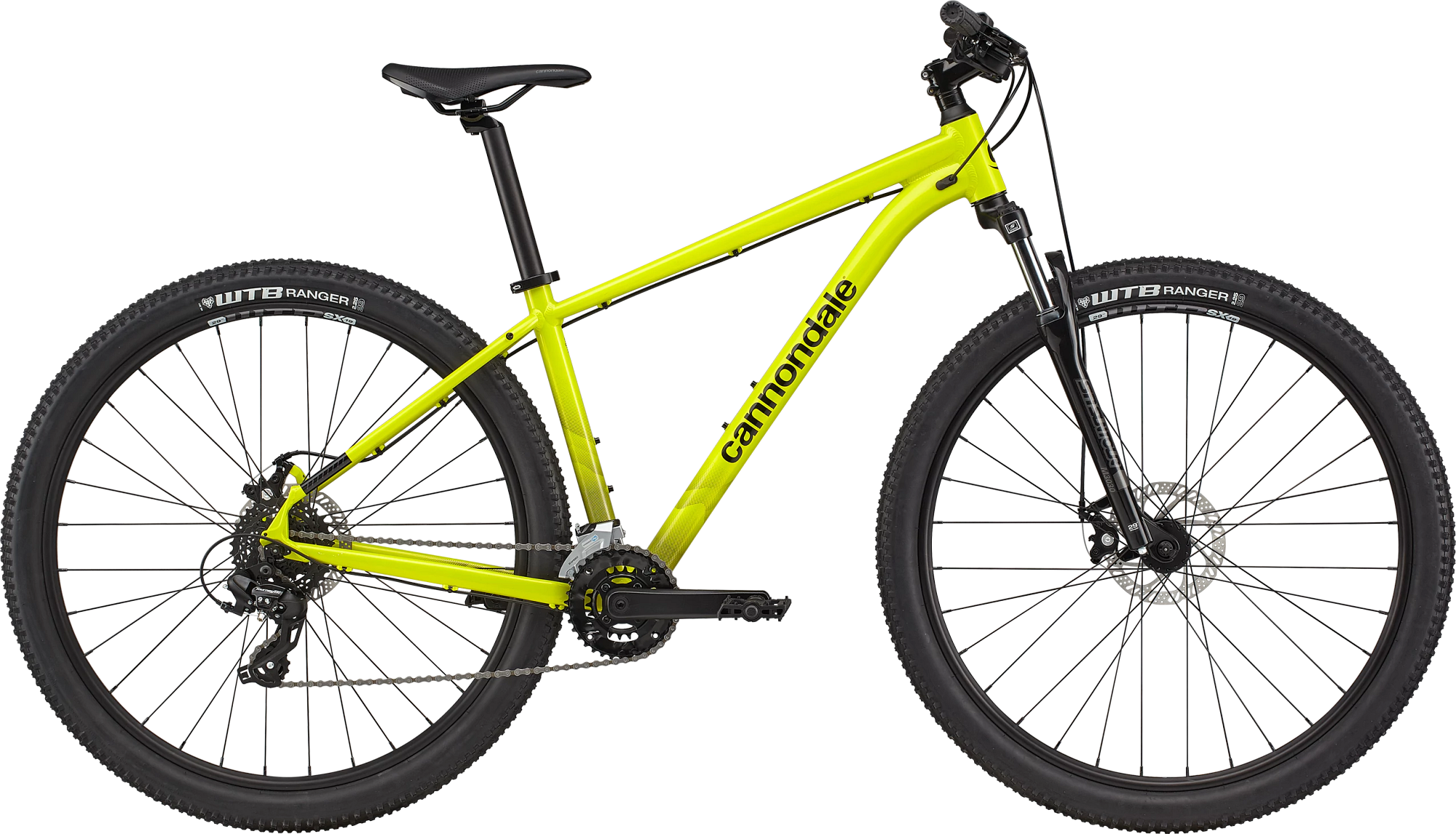
| Colors | Available in Grey, Black, or other variants |
These specs make the Cannondale Trail 8 a solid entry point into mountain biking, with components that are upgradeable as your skills progress.
Performance Review: How the Cannondale Trail 8 Handles on the Trail
From user reviews and expert tests, the Cannondale Trail 8 excels in beginner-friendly scenarios. On smooth dirt paths and easy green trails, it feels responsive and fun. The slack head angle provides confidence on descents, allowing you to charge downhill without feeling out of control. Climbing is efficient thanks to the lightweight frame and gearing options, though steeper hills might require some effort from the rider.
For more technical terrain like rocky or rooty sections, it’s capable but not ideal for aggressive riding. Beginners appreciate how it builds skills progressively. In videos and reviews, riders note its stability and comfort, making it suitable for family outings or solo adventures.
One rider shared that it’s perfect for kids or shorter adults, like a 5’4″ teen, highlighting its sizing options. Overall, it’s praised for being “off-road capable” on a budget.
Pros and Cons of Owning a Cannondale Trail 8
Like any bike, the Cannondale Trail 8 has its strengths and weaknesses.
Pros:
- Affordable Price: Often available under $500, it’s a great value.
- Durable Build: The alloy frame withstands daily use.
- Beginner-Friendly: Easy to ride and maintain.
- Versatile: Good for trails, paths, and commuting.
- Upgradable: Components can be swapped as you advance.
Cons:
- Basic Suspension: Coil fork may feel harsh on rough terrain.
- Limited Gears: 7-8 speeds might not suffice for advanced riders.
- Weight: At around 33 lbs, it’s not the lightest in its class.
- No Dropper Post: Lacks modern features like a dropper seatpost out of the box.
Despite these, for its price, the pros far outweigh the cons.
Comparing the Cannondale Trail 8 to Similar Bikes
How does the Cannondale Trail 8 stack up against competitors like the Trek Marlin 5 or Giant Talon 3? The Trail 8 offers similar specs but stands out with Cannondale’s superior frame technology. It’s often compared to its sibling, the Trail 6, which has better components like hydraulic brakes but costs more. If you’re on a tight budget, the Trail 8 is the better starter, while the Trail 6 suits those wanting upgrades from the start.
In terms of geometry, it’s more relaxed than some rivals, making it forgiving for novices.
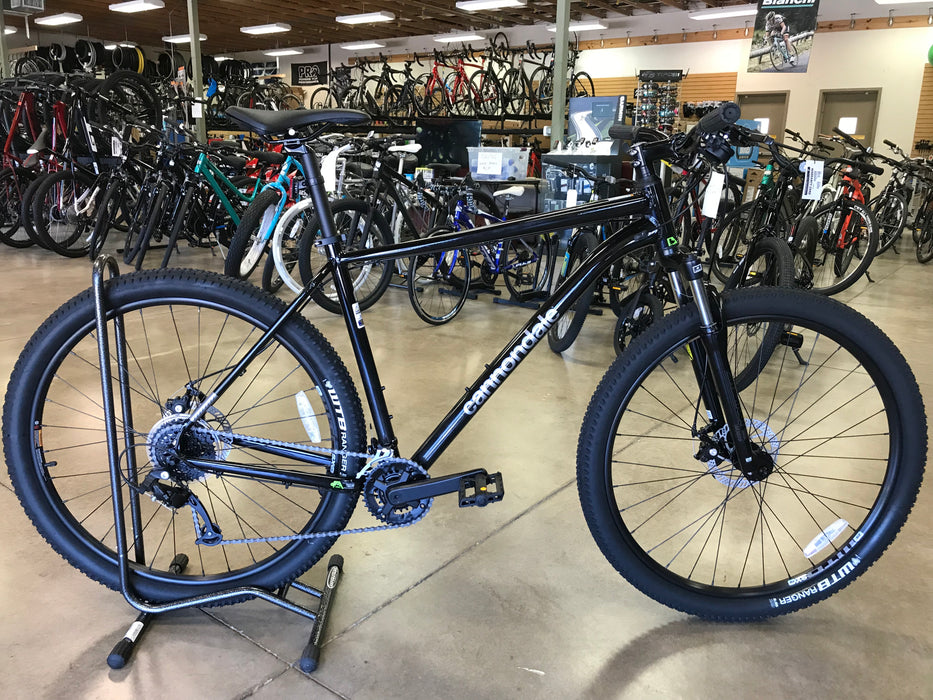
Who Should Buy the Cannondale Trail 8?
This bike is ideal for beginners, teenagers, or casual riders exploring mountain biking. If you’re looking to ride light trails, build fitness, or introduce family members to the sport, the Cannondale Trail 8 fits perfectly. It’s not for pro-level enduro or XC racing, but for recreational use, it’s spot on.
Consider your height and fit—sizes range from XS to XL, with wheel sizes adapting accordingly.
Final Thoughts on the Cannondale Trail 8
In summary, the Cannondale Trail 8 is a fantastic entry-level mountain bike that delivers on durability, fun, and value. With its thoughtful design and reliable components, it’s ready to take you on countless adventures. If you’re ready to level up your riding game, head to a local dealer or check online retailers to get your hands on one.