
Ultimate Guide to Cannondale Electric Bikes: Models, Features, and Benefits in 2025
In the ever-evolving world of cycling, Cannondale electric bikes stand out as a perfect blend of innovation, performance, and reliability. Whether you’re commuting through bustling city streets, tackling rugged mountain trails, or embarking on long-distance tours, these e-bikes offer an electrifying boost to your ride. As we dive into 2025, Cannondale continues to push boundaries with models that cater to diverse needs, from urban explorers to adventure seekers. This comprehensive guide explores everything you need to know about Cannondale electric bikes, including their history, key features, popular models, and tips for choosing the right one.
A Brief History of Cannondale and Their Electric Bike Journey
Cannondale’s story began in 1971 in Wilton, Connecticut, founded by Joe Montgomery and Murdock MacGregor. Initially focused on precast concrete housing, the company pivoted to cycling gear after spotting a gap in the market for lightweight bicycle bags. By the 1980s, Cannondale pioneered aluminum frames when most competitors stuck with steel, revolutionizing bike design for better performance and lighter weight.
The brand’s foray into Cannondale electric bikes came as part of their commitment to innovation. In the early 2000s, they began integrating electric assist systems, drawing on partnerships with tech giants like Bosch and Shimano. Today, owned by Dorel Industries since 2008, Cannondale produces frames in Taiwan and assembles bikes globally, including in the USA and Europe for local markets. Their “Neo” lineup—short for “new energy optimized”—embodies this electric evolution, offering models that amplify human power without compromising the joy of cycling.
Cannondale electric bikes have earned accolades for their groundbreaking designs, such as the Lefty suspension fork and SmartSense radar system, which enhance safety and ride quality. With a focus on sustainability, the company participates in e-bike battery recycling programs, ensuring their products are as eco-friendly as they are efficient.
Why Choose Cannondale Electric Bikes? Key Benefits
Electric bikes, or e-bikes, have surged in popularity for good reason—they make cycling accessible, fun, and practical for all ages and fitness levels. Cannondale electric bikes elevate this experience with premium engineering. Here are some standout benefits:
- Extended Range and Power: Most models feature Bosch or Shimano motors with batteries ranging from 360Wh to 800Wh, delivering up to 115 miles on a single charge in eco mode. This means longer adventures without fatigue.
- Versatility Across Terrains: From smooth city pavements to rocky trails, Cannondale electric bikes handle it all. Their frames, often made from lightweight aluminum or carbon fiber, provide durability without excess weight.
- Health and Environmental Perks: Pedal-assist technology encourages more riding, boosting cardiovascular health while reducing carbon emissions compared to cars.
- Smart Features: Integrated apps for ride tracking, service reminders, and radar for detecting approaching vehicles add a layer of modern convenience.
Compared to competitors, Cannondale electric bikes shine in build quality and innovation. For instance, their award-winning Moterra series has been praised for balancing power and agility, making them ideal for both novices and pros.
Exploring Cannondale Electric Bike Categories
Cannondale organizes their electric lineup into categories like city/urban, mountain, road, cargo, and touring. Each is tailored for specific riding styles, ensuring there’s a perfect fit for everyone.
Urban and City Electric Bikes
For daily commutes or errands, Cannondale electric bikes in the urban category excel in comfort and practicality. The Adventure Neo series, for example, offers plush saddles, front suspension, and integrated racks for carrying groceries or gear.
Popular models include:
- Adventure Neo 1 EQ: With a Bosch motor and up to 99-mile range, it’s fast and zippy on varied terrain. Pros: Stable handling, seamless shifting; Cons: Slightly higher price point.
- Mavaro Neo Series: Award-winning for premium features like HeadShok suspension and Enviolo hubs. The Mavaro 1 provides up to 115 miles of range, ideal for year-round riding. Reviewers note its excellent build quality and effective lights, though some mention minor design tweaks could improve ergonomics.
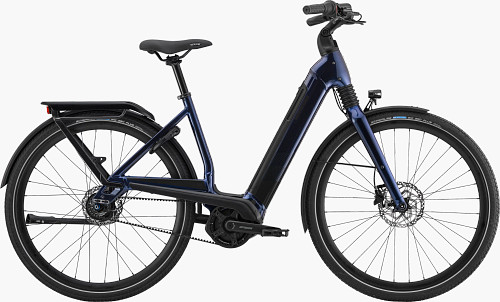
These Cannondale electric bikes are equipped with fenders, lights, and racks, making them ready for urban life right out of the box.
Mountain Electric Bikes (eMTBs)
If off-road thrills are your thing, Cannondale electric bikes in the mountain category deliver full-power performance. The Moterra and Trail Neo series dominate here, with high-travel suspension and robust motors for conquering steep climbs and descents.
Standouts:
- Moterra SL 1: A lightweight trail beast with Shimano EP801 motor and 601Wh battery. Pros: Exceptional downhill handling, long-lasting battery; Cons: Motor prefers high cadence, which might take adjustment.
- Habit Neo 3: Features RockShox suspension and up to 67-mile range. It’s lauded for its agility on trails, though some users note the need for careful tire selection on wet surfaces.
In 2025 reviews, the Moterra 3 has been highlighted for its mid-range alloy frame that handles lively trails effortlessly, blending power with control.
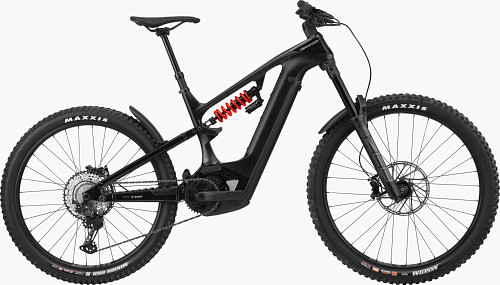
Cannondale electric bikes like these often include carbon frames in higher-end variants, reducing weight while maintaining strength.
Road and Gravel Electric Bikes
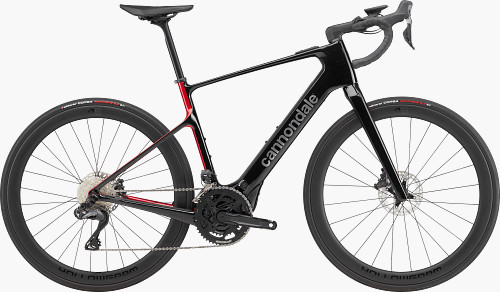
For speed enthusiasts, Cannondale electric bikes in the road category offer aerodynamic designs with pedal-assist for longer, faster rides. The Synapse Neo and Topstone Neo series cater to paved and mixed surfaces.
Key models:
- Synapse Neo: With Bosch Sprint motor and carbon wheels, it reaches 28 mph effortlessly. Pros: Comfortable for long distances, precise shifting; Cons: Limited dampening on rough roads.
- Topstone Neo Carbon Lefty 3: Gravel-ready with 78-109 mile range and unique Lefty fork. It’s praised for pinpoint control, though the oversized chainring might feel aggressive for casual riders.
These Cannondale electric bikes are perfect for fitness rides or group outings, extending your capabilities without sacrificing the road bike feel.
Cargo and Touring Electric Bikes
For families or heavy haulers, Cannondale electric bikes like the Cargowagen Neo and Wonderwagen Neo provide ample storage and stability.
- Cargowagen Neo 1: Bosch Cargo motor with 725Wh battery, ideal for kids or groceries. Pros: Versatile shifting, solid build; Cons: Bulkier for tight spaces.
Touring models from the Tesoro series add integrated U-locks and long-range batteries for extended trips.
Core Features of Cannondale Electric Bikes
What sets Cannondale electric bikes apart? It’s the thoughtful integration of technology.
- Motors and Batteries: Bosch CX or Performance Line motors deliver torque up to 85Nm, paired with batteries that charge quickly. For example, the 800Wh units in premium models ensure minimal downtime.
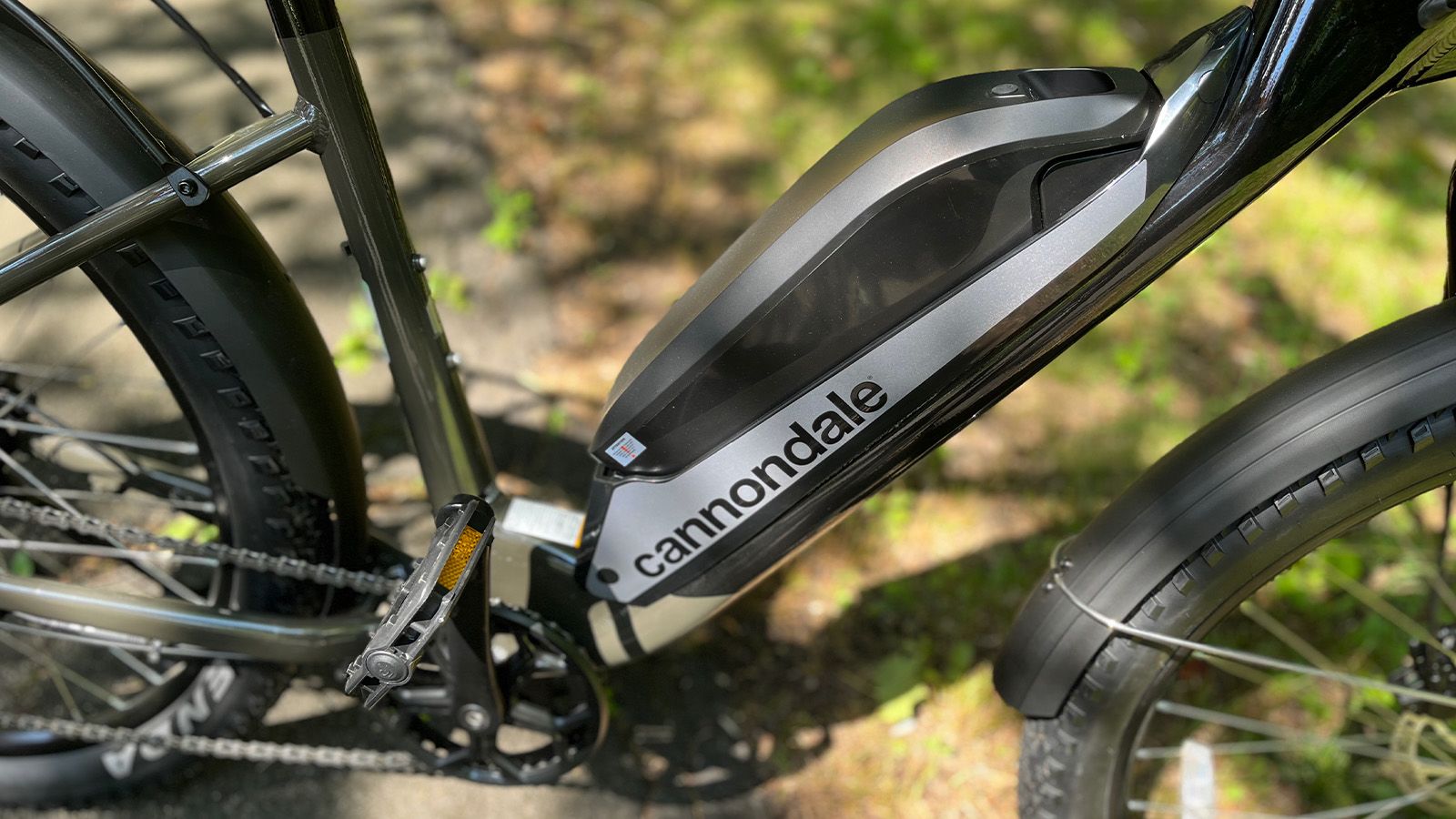
- Suspension and Drivetrains: From RockShox forks to Shimano Di2 electronic shifting, components are top-tier. Enviolo automatic systems in some models make gear changes effortless.
- Safety and Connectivity: SmartSense includes rear radar and lights that activate automatically. The Cannondale app tracks rides and alerts for maintenance.
Ranges vary by model—urban bikes often hit 47-115 miles, while mountain variants focus on torque for shorter, intense sessions.
Pros and Cons from 2025 Reviews
Based on recent tests, Cannondale electric bikes score high for reliability. The Adventure Neo Allroad EQ is “fast and zippy” for mixed duties, per REI experts. The Mavaro Neo SL 1 earns praise for its solid rack and lights, though some note design faults in older variants.
Pros: Lightweight frames, groundbreaking tech, excellent range. Cons: Premium pricing, occasional motor cadence preferences.
Buying Guide: How to Pick the Right Cannondale Electric Bike
Consider your riding style—urban for commutes, mountain for trails. Budget-wise, entry-level models start around $2,000, while high-end ones exceed $8,000. Test ride for fit, check battery life, and factor in local laws (e.g., Class 1 vs. Class 3 e-bikes).
Look for dealers offering warranties and service. In 2025, Cannondale’s expanded lineup includes more lightweight options like the FlyingV series.
Maintenance Tips for Longevity
Keep your Cannondale electric bike in top shape by charging batteries to 80% for storage, cleaning chains regularly, and updating firmware via the app. Professional tune-ups every 500 miles ensure smooth operation.
Final Thoughts on Cannondale Electric Bikes
Cannondale electric bikes represent the pinnacle of modern cycling—powerful, innovative, and built to last. Whether you’re new to e-bikes or a seasoned rider, their diverse models promise more miles, more fun, and more freedom. Explore your local dealer or Cannondale’s website to find your match and electrify your next adventure.