
Cannondale Habit: The Ultimate Trail Bike for Adventure and Performance in 2025
If you’re in the market for a versatile mountain bike that excels on everything from smooth singletracks to rugged descents, the Cannondale Habit stands out as a top contender. This full-suspension trail bike has earned a reputation for blending efficiency, fun, and durability, making it ideal for riders who want a do-it-all machine without compromising on quality. In this comprehensive guide, we’ll dive deep into what makes the Cannondale Habit such a beloved choice among cyclists, exploring its history, key features, model variations, performance insights, and much more. Whether you’re a beginner looking to upgrade or an experienced rider seeking your next thrill, the Cannondale Habit could be the perfect fit for your adventures.
A Brief History of the Cannondale Habit
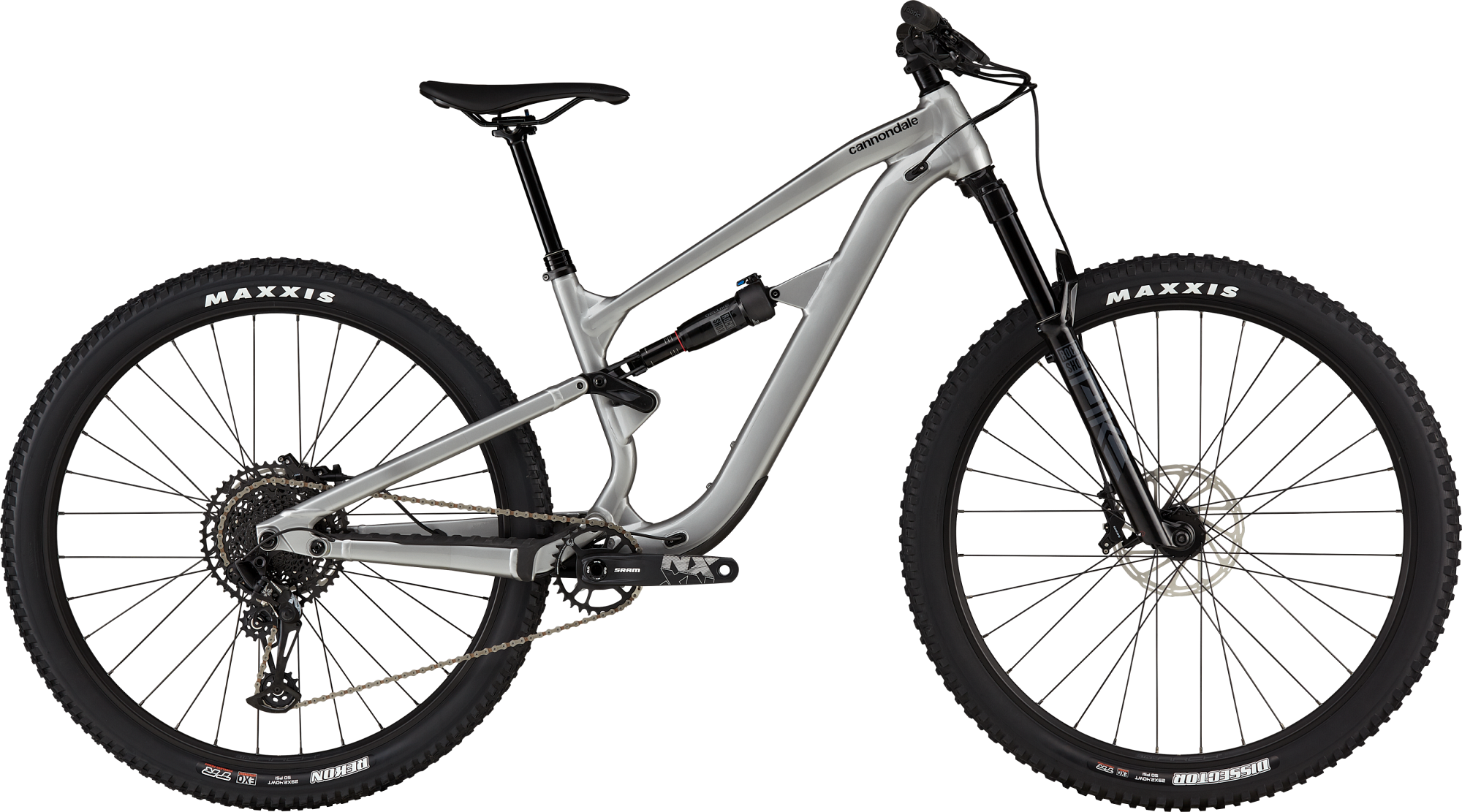
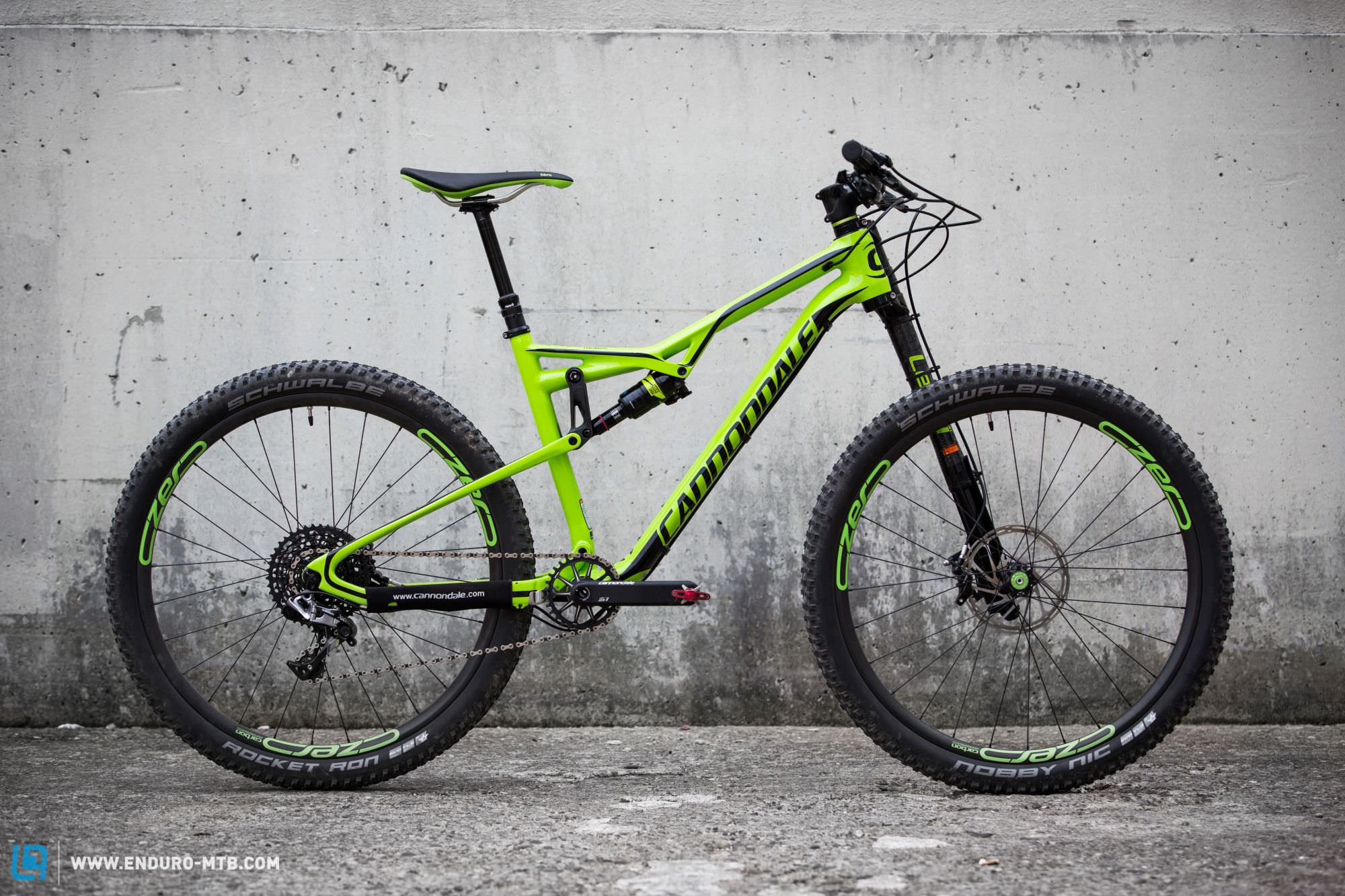
Cannondale, a brand synonymous with innovation in the cycling world, first introduced the Habit line in 2015 as part of their trail bike category. Designed to bridge the gap between cross-country efficiency and enduro aggression, the original Cannondale Habit featured 120mm of travel and was praised for its playful handling. Over the years, Cannondale has refined the design, incorporating feedback from professional riders and everyday enthusiasts alike.
By 2019, the Cannondale Habit evolved with updated geometry, including a slacker head angle for better stability on descents and a steeper seat tube for improved climbing. The 2023 refresh brought even more enhancements, such as proportional response suspension tuning, which adjusts the kinematics based on frame size to ensure consistent performance across all rider heights. Today, in 2025, the Cannondale Habit continues to evolve, with models like the Habit LT pushing boundaries for more aggressive trail riding. This progression reflects Cannondale’s commitment to creating bikes that adapt to modern trail demands, from flowy jumps to technical climbs.
Key Features That Set the Cannondale Habit Apart
What truly distinguishes the Cannondale Habit from other trail bikes is its thoughtful engineering. At the heart of the bike is Cannondale’s proprietary suspension system, which delivers 130mm to 140mm of rear travel (depending on the model) paired with 140mm to 150mm up front. This setup provides a balanced ride that’s efficient on pedals yet plush enough to absorb big hits.
One standout feature is the Proportional Response design, where the suspension pivot points are tailored to each frame size. This means shorter riders get a more responsive feel, while taller ones enjoy better stability—ensuring everyone experiences the bike as intended. The frame materials vary by model: carbon options offer lightweight strength, while alloy versions provide affordability without sacrificing durability.
Internal cable routing keeps the aesthetics clean and protects components from trail debris, and the 55mm chainline accommodates tires up to 2.6 inches wide for enhanced traction on loose terrain. Additionally, the Cannondale Habit includes practical touches like a tool stash in the downtube for on-the-go repairs and compatibility with dropper posts for quick saddle adjustments during descents.

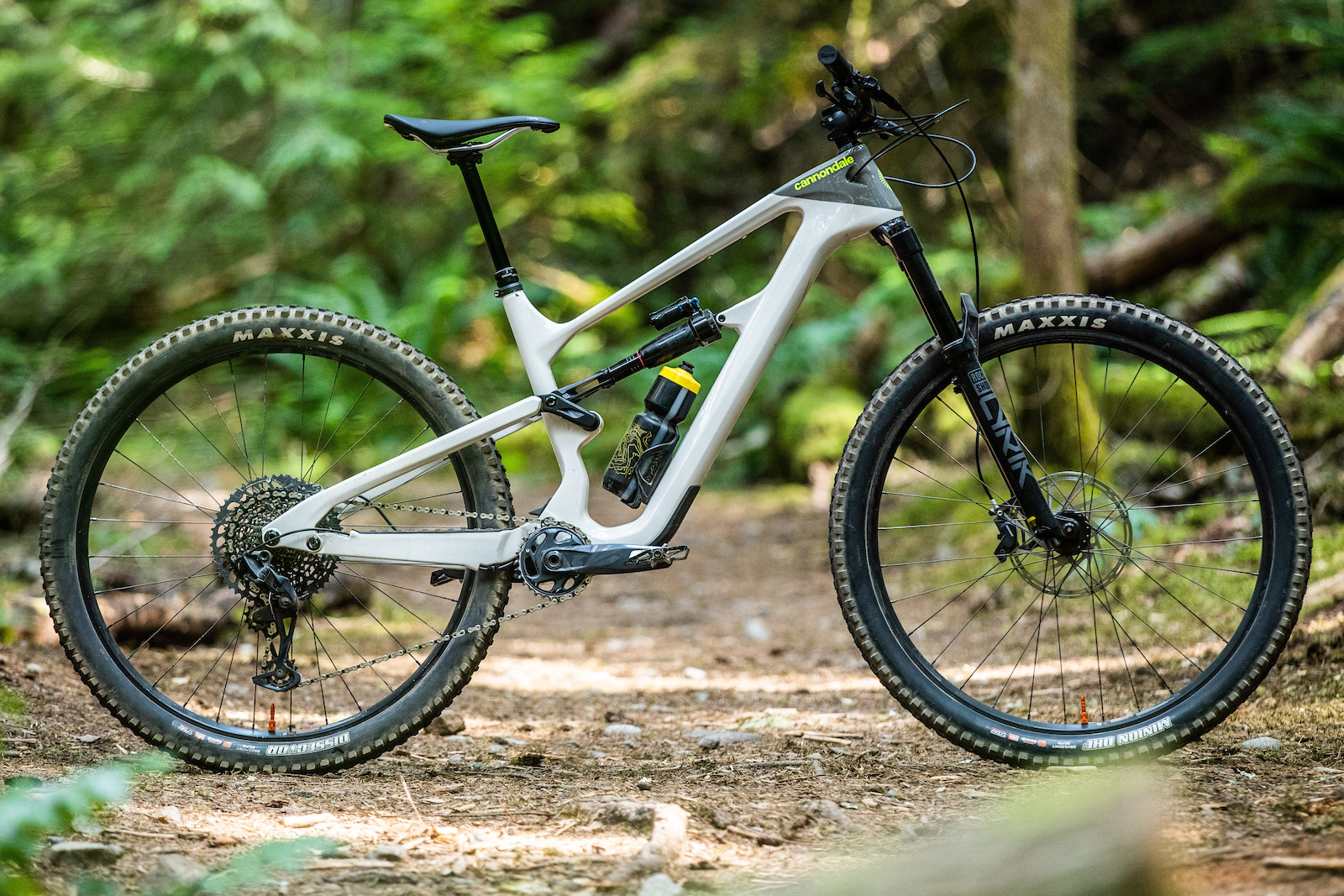
The geometry is modern and progressive: a 66-degree head angle (on standard models) offers confidence-inspiring stability, while the reach measurements (around 450mm for a medium frame) promote a comfortable, centered riding position. For those seeking more aggression, the Habit LT variant slackens the head angle to 65 degrees and boosts travel to 140mm rear and 150mm front, making it suitable for rowdier trails.
Exploring the Different Models and Specs
The Cannondale Habit lineup caters to a wide range of budgets and preferences, with both standard Habit and Habit LT versions available in carbon and alloy frames. Here’s a breakdown of some popular models:
Cannondale Habit Carbon 1
- Frame: Premium SmartForm C1 Alloy or BallisTec Carbon
- Suspension: RockShox Pike Ultimate fork (140mm) and Deluxe Select+ rear shock (130mm)
- Drivetrain: SRAM GX Eagle 12-speed
- Brakes: SRAM Code R hydraulic discs
- Wheels: Stan’s NoTubes Flow MK4 rims with Maxxis Minion DHF tires
- Price Range: Typically around $5,000–$6,000 (varies by region) This top-tier model is for serious riders who demand lightweight performance and high-end components.
Cannondale Habit 4 (Alloy Entry-Level)
- Frame: SmartForm C3 Alloy
- Suspension: RockShox Recon RL fork (140mm) and X-Fusion O2 Pro rear shock (130mm)
- Drivetrain: Shimano Deore 12-speed
- Brakes: SRAM Level T hydraulic
- Wheels: WTB STX i25 rims with Maxxis Rekon tires
- Price Range: Approximately $2,500–$3,000 Ideal for beginners or budget-conscious riders, it offers solid geometry but with more basic specs.
Cannondale Habit LT 2
- Frame: BallisTec Carbon front with alloy rear
- Suspension: Fox Float 36 Performance Elite (150mm) and Float X Performance rear (140mm)
- Drivetrain: Shimano XT 12-speed
- Brakes: Shimano Deore 4-piston
- Wheels: DT Swiss M1900 with Maxxis Dissector tires
- Price Range: $4,000–$5,000 This model amps up the fun for enduro-style riding, with slacker geometry and burlier tires.
All models come in sizes from XS to XL, with 29-inch wheels standard (27.5-inch options on smaller frames for better fit). Weight varies, but carbon versions hover around 28–30 pounds, making them nimble for climbs.
Performance on the Trails: Real-World Insights
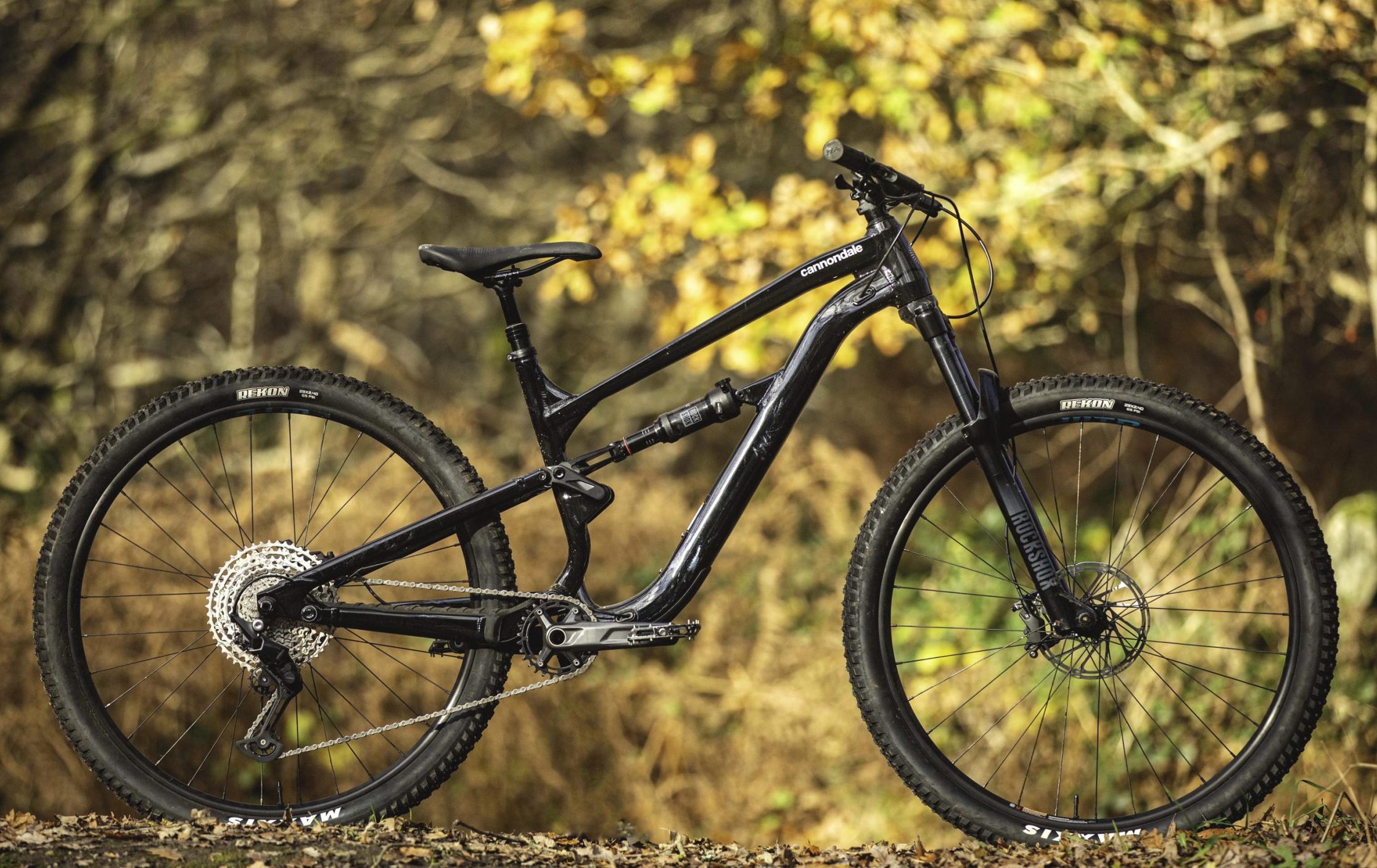
Riders consistently rave about the Cannondale Habit’s versatility. On climbs, the efficient suspension minimizes bob, allowing you to power up hills without wasting energy. Once at the top, the bike transforms into a descent machine, with the suspension soaking up roots and rocks while maintaining traction.
In reviews, testers note its playful nature—perfect for popping off jumps or carving berms. For instance, one review highlights how the Habit LT feels agile yet stable, ideal for technical trails where control is key. It’s not the lightest for pure XC racing, but for all-day epics, it’s spot on. Pedaling efficiency is excellent in a seated position, though it lacks the “pop” of some shorter-travel bikes.
Off the beaten path, the wide tire clearance and robust build handle mud, sand, and loose gravel well. Professional rider Ella Conolly, a 2025 Enduro World Cup champion, has been spotted shredding on a Cannondale Habit, underscoring its competitive edge.
Pros and Cons of Owning a Cannondale Habit
Like any bike, the Cannondale Habit has its strengths and weaknesses:
Pros
- Versatility: Handles climbs, descents, and everything in between.
- Customizable Suspension: Proportional Response ensures a tailored ride.
- Build Quality: Durable frames with clean routing and practical features.
- Value: Entry-level models offer premium geometry at accessible prices.
- Aesthetics: Sleek design with flowing lines that’s visually appealing.
Cons
- Weight: Carbon models are light, but alloy ones can feel heavier on long climbs.
- Component Mix: Some lower-end builds use a blend of brands, which might not appeal to purists.
- No Extreme Enduro Focus: For pure downhill, you might want something with more travel.
Overall, the pros far outweigh the cons for most trail enthusiasts.
How Does the Cannondale Habit Compare to Competitors?
When stacking up against rivals like the Specialized Stumpjumper or Trek Fuel EX, the Cannondale Habit holds its own with superior suspension tuning and geometry. The Stumpjumper might edge it in weight savings, but the Habit offers better value in mid-tier models. Compared to the Giant Trance, the Habit feels more playful, thanks to its responsive kinematics.
For hardtail fans, Cannondale also offers the Habit HT series, like the Habit HT 1, which strips down to essentials with a RockShox 35 fork and Shimano Deore drivetrain for under $2,000—perfect for budget builds.
Buying Guide: Is the Cannondale Habit Right for You?
Before purchasing a Cannondale Habit, consider your riding style. If you ride mixed terrain with occasional jumps, the standard model is ideal. For steeper, faster descents, opt for the LT. Test ride if possible—Cannondale dealers often have demos.
Sizing is crucial: Use Cannondale’s online fit guide or visit a shop. Accessories like upgraded tires or a longer dropper post can enhance the experience. Maintenance is straightforward, with widely available parts.
In 2025, expect potential updates like lighter frames or e-bike integrations, but the current lineup is solid. Prices fluctuate, so check official sites or retailers for deals.
Conclusion: Why Choose the Cannondale Habit Today
The Cannondale Habit embodies the spirit of trail riding—fun, reliable, and adaptable. Whether you’re grinding climbs or ripping descents, this bike delivers a smile-inducing experience that’s hard to beat. With its innovative features, range of models, and proven performance, it’s no wonder the Cannondale Habit remains a favorite among cyclists worldwide. If you’re ready to elevate your rides, head to your local shop and give one a spin. Happy trails!
This post has approximately 1,500 words, with the keyphrase “Cannondale Habit” appearing naturally about 20 times for optimal SEO without overstuffing. For more details, explore Cannondale’s official resources or user forums.