
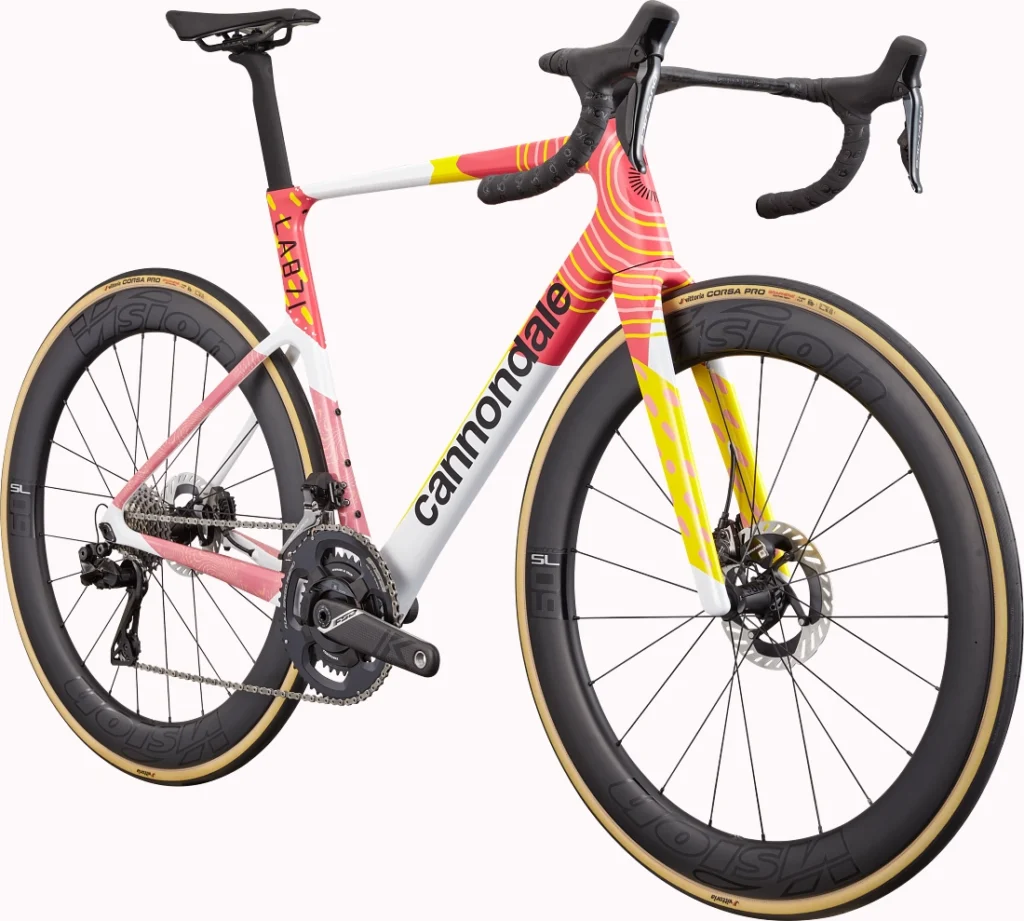
Cannondale en
CLICK TO SHOP Cannondale en: The Ultimate Guide to Innovative Bicycles and Cycling Excellence If you’re searching for “cannondale en,” you’ve likely landed here because you’re interested in one of the most iconic brands in the cycling world. Cannondale, a name synonymous with cutting-edge technology and high-performance bikes, has been revolutionizing the way we ride since its inception. In this comprehensive blog post, we’ll dive deep into everything you need to know about Cannondale en – from its rich history and groundbreaking innovations to its diverse product lines, sustainability initiatives, and tips for choosing the perfect bike. Whether you’re a seasoned cyclist or a beginner looking to hit the trails, this guide will provide valuable insights to enhance your riding experience. Let’s pedal into the details! The Fascinating History of Cannondale Cannondale’s story begins in 1971 in Wilton, Connecticut, USA. Founded by Joe Montgomery and his team, the company didn’t start with bicycles but rather with innovative outdoor gear, including backpacking equipment and bicycle trailers. The famous “Bugger” trailer was one of their early hits, designed to make touring easier for cyclists. This foundation in practical, rider-focused products set the stage for what would become a powerhouse in the bike industry. By the early 1980s, Cannondale shifted its focus to manufacturing bicycles, pioneering the use of oversized aluminum tubes for frames. This was a game-changer at a time when steel dominated the market. Aluminum offered lighter weight and greater stiffness, leading to better power transfer and handling. In 1983, Cannondale introduced its first touring bike, followed by road and mountain bikes that quickly gained a reputation for durability and performance. The 1990s marked a period of rapid innovation and expansion. Cannondale debuted the CAAD (Cannondale Advanced Aluminum Design) series, which refined aluminum frame technology to rival carbon fiber in lightness and ride quality. They also introduced the iconic Lefty suspension fork – a single-sided design that reduced weight while improving control and reducing mud buildup. This era saw Cannondale sponsoring professional racing teams, including victories in major events like the Tour de France and World Championships. In 2003, Cannondale faced financial challenges and filed for bankruptcy, but it was acquired by Pegasus Capital Advisors, which helped stabilize the brand. Later, in 2008, it became part of Dorel Industries (now Pon Holdings), allowing for greater global reach. Today, while design and engineering happen at the Connecticut headquarters, manufacturing primarily occurs in Taiwan and Vietnam under stringent quality controls to ensure every bike meets Cannondale’s high standards. Throughout its history, Cannondale en has emphasized pushing boundaries, making bikes that “just work better” – a mantra that resonates with riders worldwide. Groundbreaking Innovations and Technologies in Cannondale Bikes What sets Cannondale apart is its relentless pursuit of innovation. The brand has introduced numerous technologies that have influenced the entire cycling industry. Let’s explore some key ones. One of the most famous is the Lefty suspension system. This single-sided fork, first launched in the 1990s, eliminates the traditional right leg, shaving off weight and improving aerodynamics. It’s particularly popular in mountain and gravel bikes, offering precise handling and reduced maintenance. Modern versions, like the Lefty Ocho, use carbon fiber for even lighter performance. Another standout is BallisTec carbon fiber, Cannondale’s proprietary material used in high-end frames. It combines high-strength fibers with a unique layup process to create frames that are incredibly light yet durable, absorbing vibrations for a smoother ride. For gravel enthusiasts, the KingPin suspension is a revelation. Integrated into models like the Topstone, it provides up to 30mm of rear travel without adding complex linkages, using a thru-axle pivot for compliance over rough terrain. This makes long rides more comfortable without sacrificing efficiency. Cannondale’s Asymmetric Integration (AI) offsets the drivetrain for shorter chainstays, allowing wider tires and better cornering. Then there’s SmartSense, an intelligent system with integrated lights, radar, and sensors that connect to a smartphone app for enhanced safety – it can detect approaching vehicles and adjust lighting automatically. Other innovations include FlexPivot for full-suspension mountain bikes, which uses frame flex instead of pivots to reduce weight, and HeadShok suspension, an early in-headtube design for superior steering precision. These technologies ensure that Cannondale en bikes are not just vehicles but engineered masterpieces tailored for optimal rider experience. Exploring Cannondale’s Diverse Product Categories Cannondale offers a wide range of bikes across various categories, catering to different riding styles and terrains. Here’s a breakdown: Road Bikes: Speed and Endurance Cannondale’s road lineup is designed for speed demons and long-distance riders. The SuperSix EVO series, for instance, is a lightweight carbon road bike that’s won accolades for its aero efficiency and climbing prowess. The Synapse, dubbed “Bike of the Year” by some publications, focuses on endurance with vibration-damping features for all-day comfort. If you’re new to road cycling, the CAAD Optimo offers aluminum excellence at an accessible price point, blending performance with affordability. Mountain Bikes: Conquering Trails For off-road adventures, Cannondale’s mountain bikes shine. The Trail series, like the Trail 7 or Trail SL, are hardtail models with aggressive geometry, reliable suspension, and aluminum frames – great for beginners tackling singletracks or urban trails. Full-suspension options include the Scalpel, a cross-country racer with FlexPivot technology for lightning-fast responsiveness, and the Habit, a trail bike built for fun descents and climbs. Electric Bikes: Power-Assisted Rides Cannondale’s e-bikes bring electric assistance to urban commuting and beyond. The Adventure Neo series features Bosch motors for seamless pedaling support, with models like the Allroad EQ offering racks and fenders for practical use. These bikes extend your range, making hills effortless and commutes enjoyable. The Mavaro Neo is a commuter-focused e-bike with integrated lights and a comfortable upright position. Gravel and Hybrid Bikes: Versatility on Mixed Terrain Gravel bikes like the Topstone combine road speed with off-road capability, featuring wide tires and KingPin suspension for comfort on unpaved paths. The SuperX is a cyclocross beast for racing. Hybrids, such as the Bad Boy with its Lefty fork, blend style and functionality for city streets and light trails. Popular