
Cannondale CAAD 10: Unveiling the Iconic Aluminum Road Bike for Enthusiasts
In the world of cycling, few bikes have left as lasting an impression as the Cannondale CAAD 10. This aluminum marvel combines cutting-edge engineering with a no-nonsense approach to performance, making it a favorite among road cyclists who value speed, responsiveness, and value. Whether you’re a seasoned racer or a weekend warrior looking to upgrade your ride, the Cannondale CAAD 10 stands out for its blend of lightweight construction and race-ready geometry. Released in the early 2010s, it continues to hold its own even in today’s carbon-dominated market. In this comprehensive guide, we’ll dive deep into its history, features, performance, and more, helping you understand why this bike remains a benchmark for aluminum road bikes.
The Rich History Behind the Cannondale CAAD Series
To truly appreciate the Cannondale CAAD 10, it’s essential to look back at the evolution of Cannondale’s groundbreaking CAAD lineup. Cannondale, founded in 1971, initially gained fame for its innovative aluminum frames, starting with their first road bike frame in 1983. This early model was a simple aluminum affair priced at $350, complete with a steel fork featuring helical reinforcement ribs for added strength. It marked the beginning of Cannondale’s commitment to pushing the boundaries of metal frame design, at a time when steel dominated the cycling scene.
The real breakthrough came in 1992 when Cannondale introduced computer-aided design (CAD) to create lighter, more efficient frames. This led to the birth of the CAAD moniker—standing for Cannondale Advanced Aluminum Design—with frames weighing as little as 1.2 kg. By 1997, the CAAD3 arrived, representing a massive leap forward from earlier models like the 2.8 and 3.0 series. It featured improved welding techniques and tube shaping for better stiffness and ride quality.
Fast-forward to the early 2000s, and models like the CAAD5 (around 2002) introduced integrated headsets and partnerships with high-end fork manufacturers like Time. The CAAD7 in 2003 adopted Optimo aluminum alloy, enhancing durability and performance. These iterations built a reputation for Cannondale as an innovator in aluminum technology, often rivaling carbon frames in weight and rigidity.
The Cannondale CAAD 10, launched around 2010, represented the 10th generation of this storied series. It refined previous designs with even lighter frames, advanced tube shaping, and technologies like Speed Save for improved compliance. By 2015, it was superseded by the CAAD12, but the CAAD10’s legacy endures, with many riders still swearing by its uncompromised performance. This history underscores Cannondale’s philosophy: aluminum isn’t just a budget material—it’s a platform for excellence.
Design and Build Quality: What Sets the Cannondale CAAD 10 Apart
At the heart of the Cannondale CAAD 10 is its Smart Formed 6069 aluminum frame, a testament to Cannondale’s mastery of metalworking. Weighing in at around 1,150 to 1,274 grams for the frame alone (depending on size), it’s remarkably light for an aluminum bike, often tipping the scales at 16-18 pounds fully built. The frame uses hydroformed tubing and smooth welds to achieve high stiffness without excess weight, making it ideal for aggressive riding.
Key design features include a tapered head tube (1.25-inch to 1.125-inch) for precise steering, a BB30 bottom bracket for enhanced power transfer, and flattened seatstays and chainstays that provide vertical compliance—Cannondale’s Speed Save technology in action. This setup absorbs road vibrations without sacrificing efficiency, offering a ride that’s stiff where it counts but forgiving on longer outings.
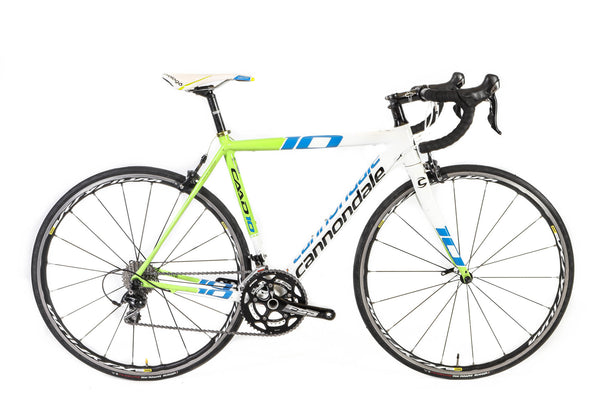
Paired with a full carbon fork (around 376-420 grams), the bike maintains a low overall weight while improving aerodynamics and comfort. Aesthetics play a role too, with eye-catching paint jobs like fluorescent red accents that turn heads on group rides. Compared to entry-level carbon frames, the aluminum construction of the Cannondale CAAD 10 offers superior durability and resistance to impacts, making it a smart choice for everyday use.

Detailed Specifications: Breaking Down the Components
The Cannondale CAAD 10 came in various builds, but popular configurations like the 105 or Force models highlight its versatility. Let’s break down a typical spec sheet based on reviewed models.
- Frame and Fork: CAAD10 Smart Formed 6069 aluminum frame with Speed Save technology; full carbon fork with tapered steerer.
- Groupset: Often equipped with Shimano 105 (2×11-speed) for reliable shifting and braking, or SRAM Force 22 for a lighter, more race-oriented feel. Chainsets include Cannondale’s Hollowgram Si (52/36) with an 11-28 cassette, balancing climbing prowess and top-end speed.
- Brakes: Caliper brakes like SRAM Force or Tektro for strong stopping power.
- Wheels and Tires: FSA Energy or Mavic Aksium wheels (around 1,660g), paired with 25c tires like Schwalbe One for quick rolling and grip. These setups spin up fast and handle varied terrain well.
- Cockpit: Cannondale C2 Classic Shallow bars, C1 Ultralight stem and seatpost for a lightweight, ergonomic setup.
- Geometry: Race-oriented with a 73-degree head angle, 73.5-degree seat angle, and wheelbase around 978-983mm. Head tube lengths (e.g., 140mm) promote an aggressive position.
Sizes ranged from 48cm to 63cm, accommodating riders from petite to tall. Overall, these specs make the bike upgrade-friendly—swap in carbon wheels or a higher-end groupset, and it rivals pricier competitors.
Performance on the Road: Speed, Handling, and Comfort
Riders often describe the Cannondale CAAD 10 as a “coiled snake ready to launch,” thanks to its ruthless efficiency and sharp acceleration. On climbs, the stiff frame transfers power directly to the pedals, allowing you to attack hills with confidence. Descents feel poised and nimble, with the tapered head tube ensuring precise handling even at high speeds.
Comfort is a highlight too—while aluminum can feel harsh, the Speed Save design and carbon fork dampen vibrations effectively, making it suitable for rides up to three hours without excessive fatigue. It’s not the plushest for all-day epics, but for crits, group rides, or training sessions, it’s unbeatable. One reviewer noted it feels “faster and stiffer than older aluminum bikes,” making it competitive in amateur races.
In real-world testing, the bike excels on mixed terrain, handling gravel sections without issue when fitted with resilient tires. Its immediate ride quality—less insulated than carbon—provides feedback that enhances control, though it might trade some smoothness for responsiveness.
User Reviews and Expert Feedback
The Cannondale CAAD 10 has garnered praise from cyclists and experts alike. In a detailed review, it was called “the pinnacle of aluminum frames,” ideal for racing with its light, stiff package. BikeRadar awarded it 4.5 stars, noting it “beats most carbon bikes at this price for performance” and offers great value.
User experiences echo this: On forums, owners rave about its acceleration and durability, with one saying the 6069 aluminum allows “gaining speed and attack with lots of acceleration.” Common gripes include its stiffness on rough roads, but many see this as a pro for performance-oriented riding. Overall, it’s hailed as a “superbike killer” for punching above its weight class.
Comparisons: How Does It Stack Up?
When pitted against contemporaries, the Cannondale CAAD 10 often outshines entry-level carbon bikes in stiffness and value. For instance, at 16.1 pounds, it’s lighter than many budget carbons while costing less—around $1,800 for mid-spec models. Versus newer aluminum bikes like the CAAD13, it lacks some modern refinements but holds up well for upgrades.
Compared to steel or titanium options, its aluminum frame offers better weight savings and responsiveness, though at the expense of ultimate comfort. If you’re debating carbon, remember: the CAAD10 provides a more “immediate” feel, making it a gateway to high-performance cycling without the premium price.
Maintenance and Care Tips for Longevity
Keeping your Cannondale CAAD 10 in top shape is straightforward. Regularly clean the frame with mild soap to prevent corrosion, especially around welds. Check the BB30 bottom bracket for play and lubricate the chain frequently—Shimano or SRAM groupsets thrive on this.
For wheels, true them annually and replace tires when wear shows. The carbon fork requires inspecting for cracks after impacts. With proper care, this bike can last decades, as evidenced by riders still using pre-2010 CAAD models today. Pro tip: Upgrade to tubeless tires for puncture resistance and better rolling efficiency.
Why the Cannondale CAAD 10 Remains Relevant in 2025
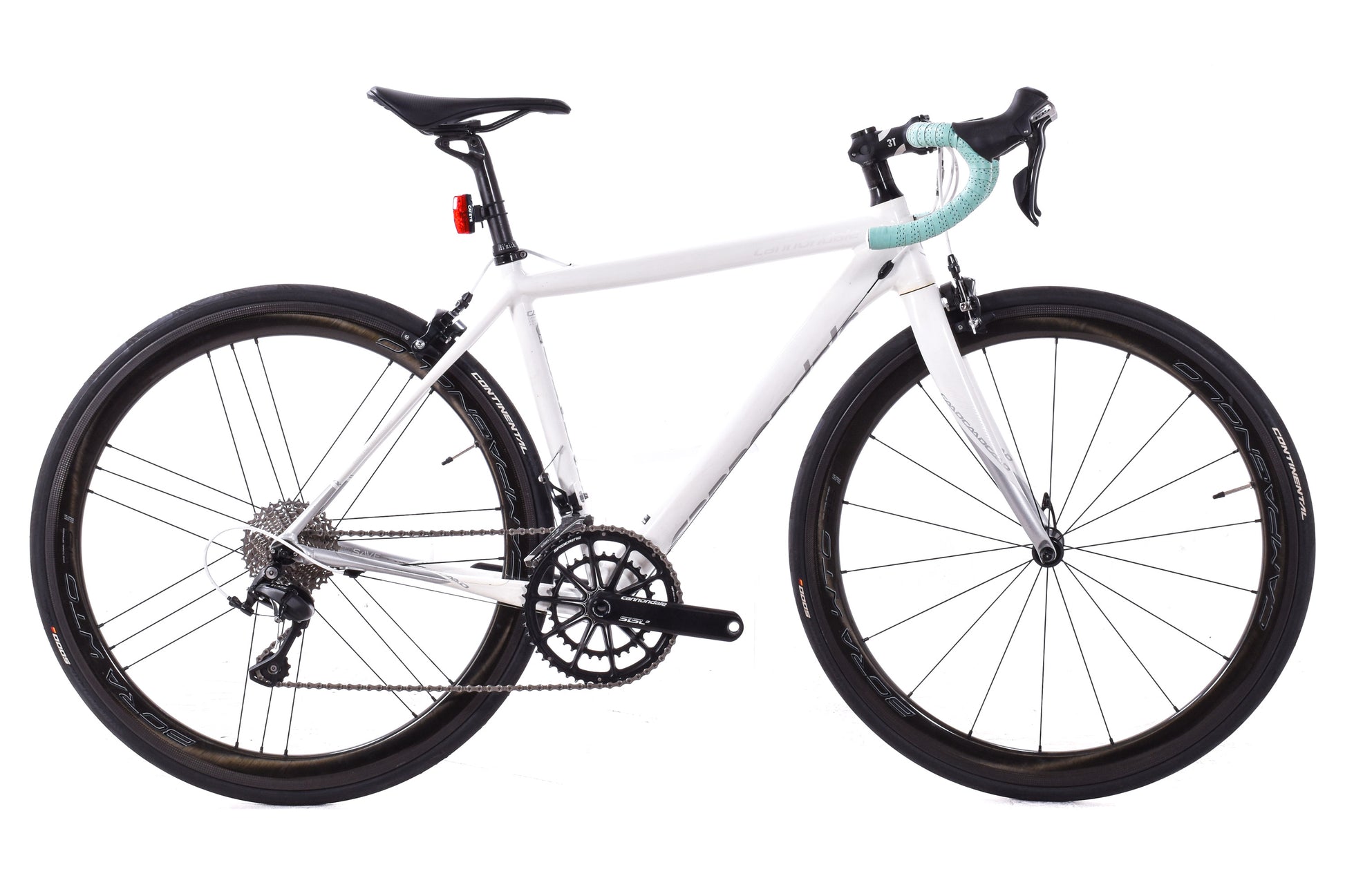
Even years after its release, the Cannondale CAAD 10 proves that great design is timeless. Its lightweight aluminum frame, race-proven performance, and upgrade potential make it a smart buy on the used market. Whether you’re chasing personal bests or enjoying scenic routes, this bike delivers excitement without breaking the bank.
If you’re in the market for a road bike that blends heritage with modern capability, consider hunting down a well-maintained Cannondale CAAD 10. It’s not just a bike—it’s a piece of cycling history that continues to inspire riders worldwide. Happy pedaling!