
Cannondale Scalpel: The Ultimate Cross-Country Mountain Bike for Trail Dominance
In the world of mountain biking, few names evoke as much excitement and respect as the Cannondale Scalpel. This iconic full-suspension cross-country (XC) bike has been a staple for riders seeking speed, agility, and control on demanding trails. Whether you’re a competitive racer chasing podium finishes or an enthusiast exploring rugged terrains, the Cannondale Scalpel stands out for its blend of lightweight design, advanced suspension, and race-proven performance. In this comprehensive guide, we’ll dive deep into what makes this bike a top choice, covering its history, key features, models, real-world performance, and more. If you’re considering upgrading your ride, read on to discover why the Cannondale Scalpel might just be your next adventure companion.

A Brief History of the Cannondale Scalpel: From Inception to Modern Mastery
The story of the Cannondale Scalpel begins in the early 2000s, marking a pivotal shift in Cannondale’s approach to full-suspension mountain bikes. Launched in 2002, it replaced the short-lived Cannondale Raven as the brand’s lightweight full-suspension option, emphasizing efficiency and speed for XC racing. Over the years, the Cannondale Scalpel has mirrored the evolution of the mountain biking industry, adapting to more aggressive geometries, increased suspension travel, and rider demands for versatility.
By 2011, Cannondale refined the Scalpel with carbon frames and 2×10 drivetrains across models, sharpening its edge for competition. A major overhaul came in 2016 with the Scalpel-Si, introducing System Integration for components like cranks and forks, enhancing overall performance. The 2021 update brought flex-pivoting carbon technology, reducing weight while boosting compliance and traction.
Fast-forward to the 2024-2025 models, and the Cannondale Scalpel has embraced modern XC trends with 120mm of travel front and rear, slacker head angles for confident descending, and steeper seat tubes for efficient climbing. Influenced by the Cannondale Factory Racing team, this iteration focuses on conquering technical courses while remaining lightweight. Its journey from a pure race machine to a capable trail bike reflects how XC biking has grown more demanding, blending speed with durability.
Key Features and Innovations in the Cannondale Scalpel
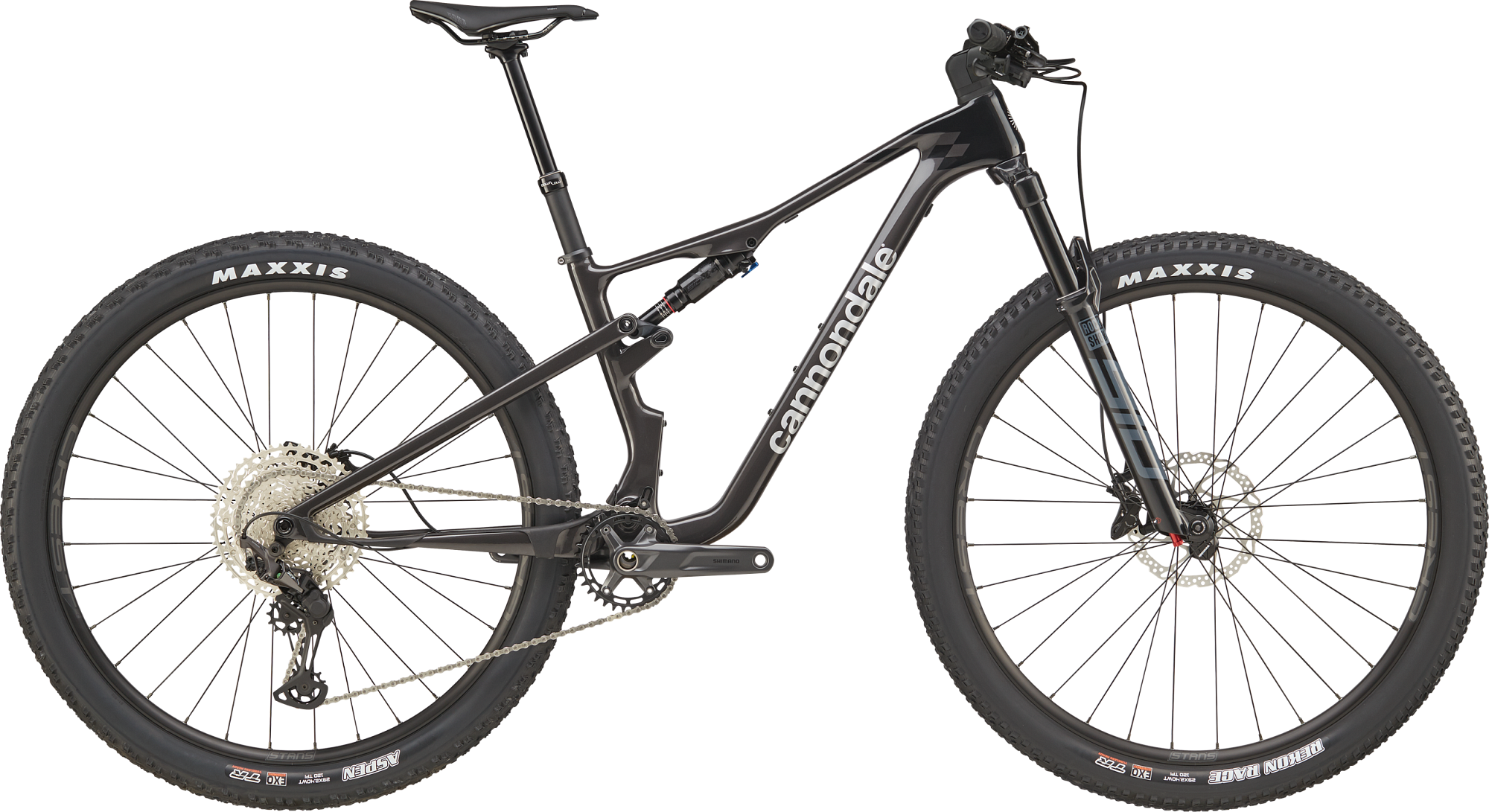
What sets the Cannondale Scalpel apart is its meticulous engineering, designed to deliver “podium-proven precision” on every ride. At the heart is its advanced suspension system, featuring 120mm of travel that absorbs bumps without sacrificing pedaling efficiency. The bike’s geometry strikes a balance: a slacker head tube angle enhances stability on descents, while a steeper seat tube promotes powerful ascents.
One standout innovation is the flex-pivot rear suspension, which uses carbon fiber’s natural flex instead of traditional pivots, saving weight and improving responsiveness. This setup provides a firm, supportive platform for pedaling, making it ideal for races where every watt counts. Riders praise its ability to maintain traction over technical sections, accelerating where others falter.
The frame, often crafted from BallisTec carbon, is incredibly light yet robust, with integrated cable routing for a clean aesthetic and easy maintenance. Additional features include grippy 2.4-inch tires for enhanced control, wide handlebars for leverage, and dropper posts on higher-end models for quick adjustments on the fly. Connectivity options, like wheel sensors and app integration, add a modern touch for tracking rides.

Exploring the Cannondale Scalpel Model Lineup
Cannondale offers the Scalpel in various trims to suit different budgets and riding styles, all built on the same capable platform. The core lineup includes the Scalpel 1 through 4, with the “SE” variants geared toward more trail-oriented adventures.
- Scalpel Lab71: The pinnacle of the range, featuring premium components like SRAM XX SL Eagle AXS drivetrain and high-end RockShox suspension. It’s for elite racers demanding the lightest setup.
- Scalpel 1: A top-tier model with carbon frame, Shimano XTR or equivalent groupset, and Lefty Ocho fork. Reviews highlight its supportive suspension that handles long descents without fatigue.
- Scalpel 2: Balances performance and value, often with Shimano XT components and Fox suspension. Testers note its rapid fun factor, excelling in both racing and casual trails.
- Scalpel 3 and 4: Entry-level options with reliable SRAM or Shimano setups, ideal for newcomers. They share the same frame as higher models, ensuring consistent geometry.
The SE series adds more travel (up to 120mm rear) and burlier tires for downcountry riding, bridging XC and trail categories. Pricing starts around $3,000 for base models and climbs to over $10,000 for Lab71, depending on specs.
Performance on the Trail: What Riders Are Saying
When it comes to real-world testing, the Cannondale Scalpel shines as a versatile performer. Reviewers consistently praise its climbing prowess— the bike feels inspiring uphill, with efficient power transfer and minimal bob. On descents, the increased travel and geometry provide confidence, allowing riders to push limits without feeling outmatched.
A long-term review describes it as a “fun and performance package” that’s enjoyable in various situations, not just races. Another tester notes its excellent pedaling platform without needing a lockout, making it suitable for mixed terrains. Acceleration out of the saddle is a pleasure, and it maintains traction over techy sections.
However, it’s not without quirks. Some find the Lefty fork polarizing, though it offers unique offset for precise handling. Overall, scores hover around 4.5-5 stars, with users appreciating its value and capability.

Pros and Cons of Owning a Cannondale Scalpel
Like any bike, the Cannondale Scalpel has strengths and areas for consideration:
Pros:
- Lightweight and efficient for climbing and racing.
- Versatile geometry for XC and light trail use.
- Innovative suspension that balances firmness and compliance.
- High-value builds, especially in mid-range models.
- Proven in World Cup events, with Olympic medal credentials.
Cons:
- Premium models can be expensive.
- Lefty fork may require specific maintenance.
- Less travel than full trail bikes for extreme descents.
- Availability can vary by region.
How the Cannondale Scalpel Stacks Up Against Competitors
In the competitive XC market, the Cannondale Scalpel holds its own against rivals like the Specialized Epic, Scott Spark, and Trek Supercaliber. Compared to the Epic EVO, the Scalpel offers similar travel but with a more aggressive geo for descending. It edges out in weight savings thanks to flex-pivots, while the Spark might appeal to those wanting more adjustable suspension.
Reviews often favor the Scalpel for its fun factor and value, making it a strong contender for riders prioritizing speed and agility over all-out enduro capability.

Maintenance Tips and Upgrades for Your Cannondale Scalpel
To our Cannondale Scalpel performing at its best, regular maintenance is key. Clean the drivetrain after muddy rides, keep ycheck suspension sag quarterly, and service the Lefty fork annually. Upgrades like carbon wheels or a wireless groupset can enhance responsiveness without altering its core character.
For customization, Cannondale’s archive offers catalogs for older models, ensuring parts compatibility.
Final Thoughts: Is the Cannondale Scalpel Right for You?
The Cannondale Scalpel embodies the spirit of modern XC biking—fast, capable, and exhilarating. From its racing heritage to cutting-edge features, it’s a bike that rewards aggressive riding while being accessible for everyday adventures. If you’re ready to elevate your trail game, this could be the investment that transforms your rides. Check out local dealers or Cannondale’s site for the latest availability and test rides. Happy trails!